The 5 Real-World Assets Being Tokenized Fastest Onchain
Tokenized real-world assets have tripled in a year. Here are the five types leading the charge, from Treasuries to gold.
Reporter
Jul 26, 2026
4 min read · 5 days ago
One of the biggest stories in crypto right now has almost nothing to do with crypto. It's about ordinary financial assets, things like government bonds, loans, gold and company shares, being moved onto blockchains.
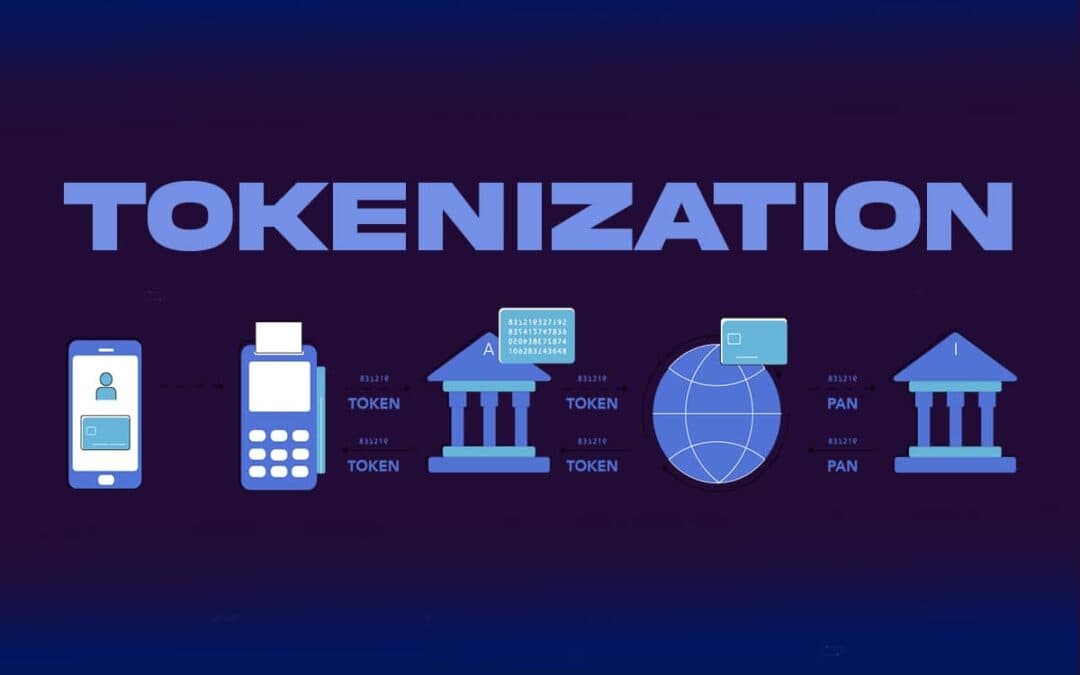
The industry calls this "tokenization." In simple terms, a token is created on a blockchain to represent ownership of a real asset. That token can then be traded, moved and settled in minutes, around the clock, without the usual paperwork and middlemen.
The numbers show how fast this is happening. According to industry trackers like rwa.xyz, the value of tokenized real-world assets living onchain has grown to more than $30 billion, roughly triple where it stood a year earlier. Here are the five types leading that growth.
1. US Treasuries#
Tokenized US government debt is the largest and most mature category by far, at around $15 billion.
The appeal is easy to understand. Treasuries are considered one of the safest investments in the world, and they pay interest. Putting them onchain lets big institutions buy, sell and earn that yield instantly, and even use the tokens as collateral elsewhere. The interest can be paid out automatically by the software itself.
The heavyweights are here. BlackRock's BUIDL fund and Franklin Templeton's BENJI token are among the largest products, alongside offerings from Circle, Ondo and WisdomTree. For many institutions, tokenized Treasuries are the safe first step into this world.
2. Private credit#
Private credit means loans made by non-bank lenders rather than traditional banks. It has become the fastest-growing category outside of Treasuries, and by some measures it rivals them for the top spot.
The reason it works so well onchain is practical. It connects pools of global money to borrowers in places where normal banking is slow, expensive or simply unavailable. Lenders earn yields that are usually higher than Treasuries offer, and everything from the loan terms to the repayments can be tracked transparently on a blockchain.
Platforms such as Maple Finance and Goldfinch have helped push tokenized private lending into the billions.
3. Commodities, led by gold#
When people tokenize commodities, gold is the clear favorite, making up close to $5 billion on its own.
Tokenized gold gives you a digital token backed by real, physical gold sitting in a vault. One big advantage showed up during the geopolitical tension earlier this year: even when traditional gold markets were closed, the tokenized version kept trading. Some Wall Street desks reportedly used onchain markets to price gold during those off-hours.
Products like PAX Gold have led the way, and other commodities, including oil, are slowly starting to follow.
4. Tokenized stocks#
Tokenized shares of public companies are a smaller category, around $2 billion, but the competition here is heating up quickly.
These tokens are usually backed one-for-one by real shares, and can pass on dividends automatically. The dream is simple: buy a slice of a major company at any hour, from almost anywhere, and settle the trade in seconds. One firm, Ondo, currently controls a large share of this young market.
The big traditional players are circling too. Exchanges have moved toward round-the-clock venues for tokenized securities, and regulators have started approving pieces of the puzzle, which could open the doors much wider.
5. Real estate#
Real estate is the smallest of the five categories, still measured in the hundreds of millions rather than billions, but it may be the most exciting in the long run.
Property has always had two big problems: it costs a lot to buy, and it is slow and difficult to sell. Tokenization tackles both. By splitting a building into many tokens, it lets people own a fraction of a property and trade that stake far more easily than they could sell a whole house.
The catch is that real estate carries heavy legal and regulatory baggage, which is why it is growing more slowly than the rest. Platforms like RealT are testing what is possible.
Why this matters#
Put together, these five categories show a clear direction of travel. Traditional finance is not fighting blockchain anymore. It is quietly moving onto it, one asset class at a time.
What decides how fast this continues is regulation. Clearer rules in the US and elsewhere would unlock far more of this activity, while a messy patchwork would keep it stuck in pockets. Either way, the tokenization trend has moved well past the experiment stage.
Image credits: Tfed.com