Why Crypto Markets Should Watch Kevin Warsh, the New Fed Chair
Kevin Warsh now runs the Federal Reserve, and his inflation-first stance on interest rates could shape Bitcoin and crypto for months. Here's why it matters.
Editor-in-chief
Jul 15, 2026
6 min read · 15 days ago
Every few weeks, one person says a few careful sentences about interest rates, and billions of dollars in crypto change hands in response. That person is the chair of the U.S. Federal Reserve, and as of July 2026, it's Kevin Warsh.
Here's the strange part. The Fed almost never talks about Bitcoin. Yet the decisions made in that building move crypto more reliably than most things that happen inside crypto itself. If you hold digital assets, or you're thinking about it, understanding the new Fed chair isn't optional macro trivia. It's one of the biggest forces sitting underneath the price on your screen.
Let's break down who Warsh is, why the Fed chair matters to crypto at all, and what his early moves are telling us.
Who is Kevin Warsh?#
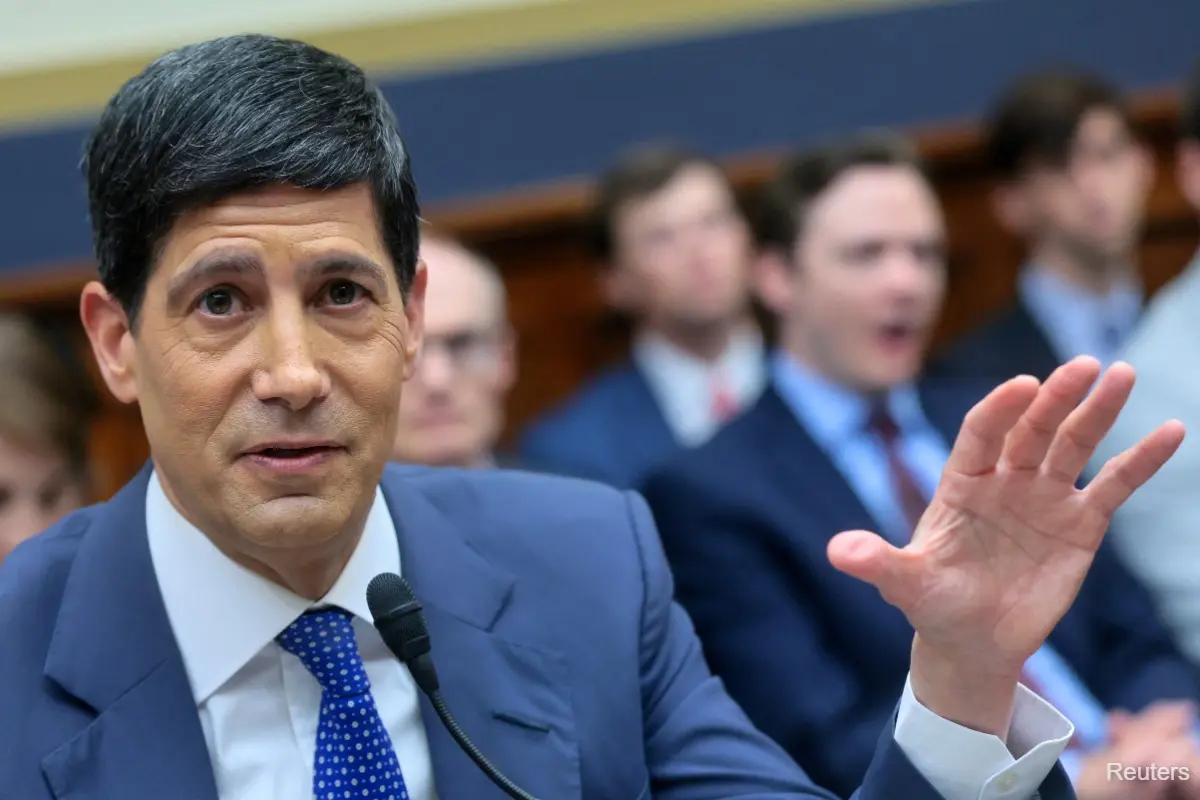
Kevin Warsh was confirmed as the 17th chair of the Federal Reserve on May 13, 2026, in the closest Senate vote for the role in modern history, and sworn in on May 22. He replaced Jerome Powell, who had led the central bank since 2018.
Warsh isn't new to the Fed. He served as a governor from 2006 to 2011, appointed at just 35, which made him the youngest ever at the time. During those years he sat on the board through the 2008 financial crisis. In the time since, he built a reputation as an inflation "hawk": someone who worries more about rising prices than about slowing growth, and who tends to favor keeping interest rates higher to keep inflation in check.
That reputation is the single most important thing to understand about him, because it shapes everything that follows.
Why does the Fed matter to crypto at all?#
The Fed doesn't set the price of Bitcoin. But it sets the price of money, and that ripples into every risk asset on earth, crypto included. Here's the chain of cause and effect, in plain terms.
The Fed's main tool is the federal funds rate, which influences how expensive it is to borrow across the whole economy. When rates are low, money is cheap and plentiful, safe investments like bonds pay very little, and investors go looking for bigger returns elsewhere, in stocks and, yes, crypto. When rates are high, the opposite happens: borrowing is expensive, cash and bonds suddenly pay a respectable, risk-free return, and speculative assets have to compete against that.
Three things are really moving underneath:#
1. Liquidity. Low rates flood the system with cheap money that has to go somewhere. High rates drain it.
2. Risk appetite. Cheap money makes investors bold. Expensive money makes them cautious, and Bitcoin sits at the risky end of the spectrum.
3. Opportunity cost. Bitcoin pays no interest. When a government bond yields almost nothing, that's fine. When it yields close to 4%, holding a non-yielding asset costs you something real.
This is why crypto can lurch up or down the instant the Fed speaks, even when the word "crypto" never comes up. Traders aren't reacting to Bitcoin news. They're reacting to what the Fed just signaled about the future price of money.
Warsh's playbook: inflation first#
So what does Warsh actually want to do? His public record points in one direction: get inflation down, and don't apologize for it.
He has argued that inflation is ultimately a choice the Fed is responsible for, and he described the post-pandemic price surge as one of the biggest policy mistakes in decades. That's not the language of a chair itching to cut rates and loosen the taps.
He's also changing how the Fed talks. Under Powell, the Fed leaned heavily on "forward guidance," telegraphing its likely next moves so markets wouldn't be surprised. Warsh has largely scrapped that. His Fed says less about the future and leans harder on the latest data. For crypto traders, that's a meaningful shift. With fewer promises to trade against, every inflation report and every offhand comment from a Fed official carries more weight, and volatility around those moments tends to rise.
The crypto irony: a friendly chair who can still squeeze prices#
Here's a twist that trips a lot of people up. Warsh is, personally, fairly crypto-friendly. During his confirmation he disclosed investments in dozens of crypto-related projects, and he has publicly described Bitcoin as an important asset, comparable to gold, that belongs in the modern financial system.
It would be easy to read that as bullish. It isn't, at least not in the way it sounds.
A chair can admire Bitcoin and still run a monetary policy that pressures its price. Personal enthusiasm for digital assets doesn't translate into the low rates and easy liquidity that historically fuel crypto rallies. This is the distinction the market has been learning in real time: sympathy for crypto is not the same as easy money. On the policy that actually moves prices, Warsh's instincts lean tight.
What his first meeting told us#
Warsh's debut as chair, at the June 2026 policy meeting, made the point loudly.
The Fed held its benchmark rate steady at 3.50% to 3.75%, a widely expected and unanimous decision. But the accompanying projections were the shock. The committee's "dot plot," which maps where officials expect rates to go, flipped from pointing toward cuts to pointing toward possible hikes. Roughly half the committee now saw at least one rate increase before year-end, and the median projection for where rates land in 2026 drifted higher.
Markets read it as a regime change. Within minutes, an estimated $2 trillion evaporated across stocks, gold, silver, and crypto. Bitcoin slid toward the $64,000 area as traders unwound bets on the cheaper money they'd been expecting.
The lesson wasn't in the rate itself. It was in the outlook. The "Fed put," the market's long-held assumption that the central bank will ride to the rescue when assets fall, looks a lot less certain under Warsh.
What to watch next#
As of mid-2026, the story is genuinely unsettled, which is exactly why it's worth watching closely.
Inflation has been running well above the Fed's 2% target, propped up in part by energy prices tied to overseas conflict. That argues for patience, or even hikes. But more recent data has come in softer, and a cooler inflation reading in July gave crypto some relief, nudging Bitcoin back toward $65,000 and reviving a debate: could Warsh actually cut rates later this year instead of raising them?
A few things to keep on your radar:
The next Fed meeting (July 28 and 29, 2026) and the ones after it, for any shift in tone. Inflation data, especially the monthly CPI and the Fed's preferred price gauges. Warsh has signaled he favors "trimmed-mean" measures, which strip out the wildest price swings, and by that measure, inflation looks tamer than the headlines suggest. Fed officials' speeches. With forward guidance gone, individual comments now move markets more than they used to.
You don't need to predict the outcome. You just need to know that the direction of the next rate move is one of the largest levers under crypto right now, and it runs through Kevin Warsh.
The bottom line
The Fed chair is arguably the most important person in crypto who doesn't work in crypto. Warsh brings an inflation-first mindset, a leaner communication style, and a personal openness to digital assets that, so far, hasn't softened his policy stance.
For anyone holding or watching crypto, the takeaway is simple. Pay attention to the Fed the way you'd pay attention to any major force you can't control but can prepare for. Rates shape liquidity, liquidity shapes risk appetite, and risk appetite shapes crypto. Right now, all three point back to one office in Washington.